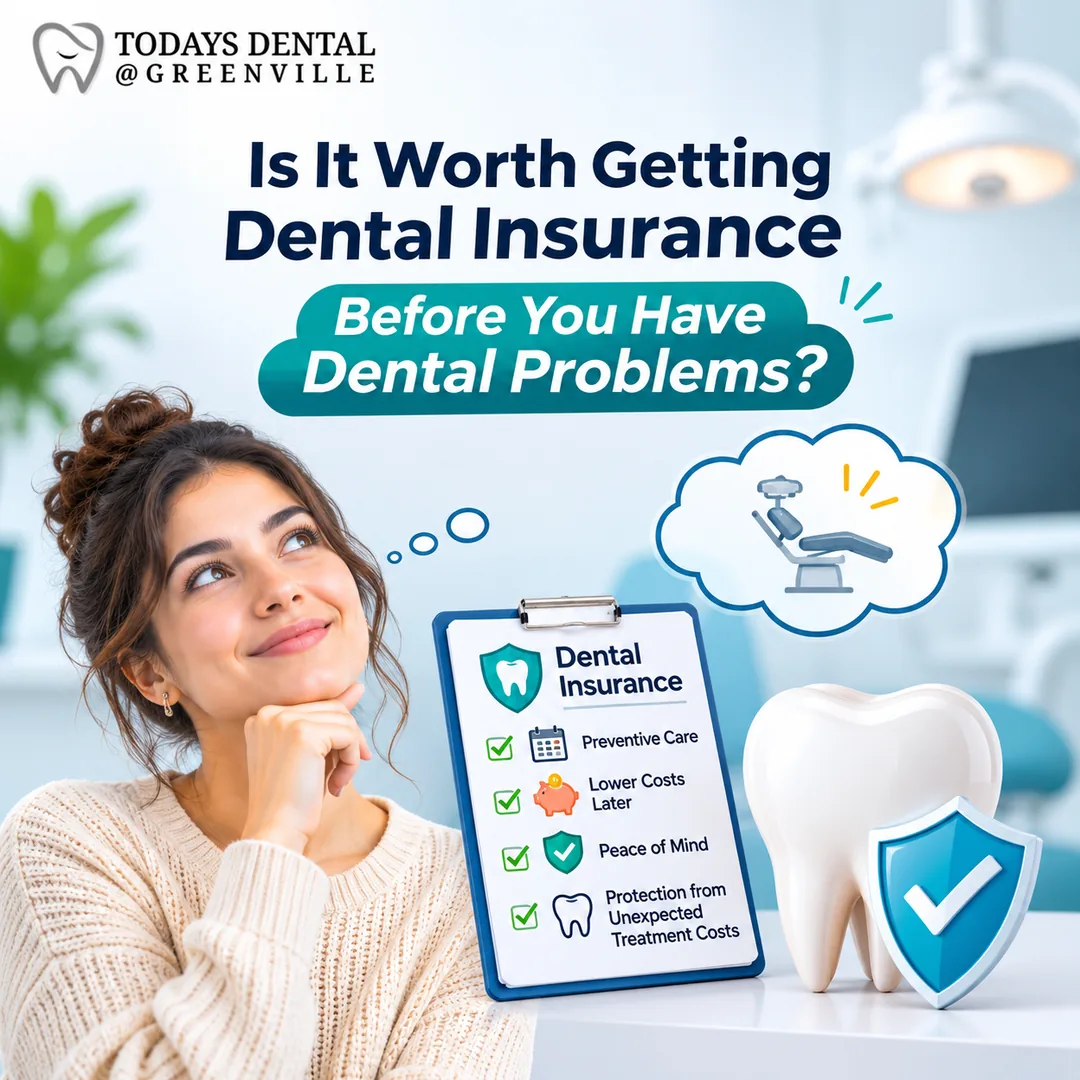
A patient who bought individual dental insurance shared a clear benefit. The plan paid about 50% of a crown cost. The patient avoided paying full price for a major procedure. Dentists charge the same fees for insured and uninsured patients, so the policy cut actual out-of-pocket bills.
Policies do not cover 100% of treatments, so copays and deductibles still apply. People without benefits get more extractions and dentures instead of restorative care. They also skip preventive treatment for gum disease and other conditions.
A dentist who treated that patient saw problems early thanks to regular checkups. Small cavities did not turn into root canals. That doctor warns that waiting to buy individual dental insurance means ignoring early warning signs.
Small issues can escalate into large, expensive problems over time. Buying a plan before trouble starts often proves more cost-effective than paying out-of-pocket for major work later.
Dental insurance plans come in various forms. Each type serves a different need and budget. People can choose from PPOs, HMOs, indemnity options, or discount programs. Knowing the differences helps individuals find the best fit for their dental care needs.
People should compare plan types before picking a dentist and a policy.
| Plan Type | How It Works | Pros | Cons | First-Hand Example |
|---|---|---|---|---|
| PPO | - Members may see dentists inside or outside a network. - Costs are lower in-network. - Referrals are rarely needed. | - Flexibility to choose a dentist. - Preventive visits usually covered at high rates. - Major work can be covered up to 50%. | - Premiums often higher. - Copays and deductibles may apply. - Annual maximums cap benefit amounts. | - A patient delayed care, then needed a crown costing $1,200. - Insurance covered 50%, cutting the bill to $600. - Dentist fees stayed the same for insured and uninsured. |
| HMO (Dental Health Maintenance) | - Care is limited to a network. - Referrals often required for specialists. - Preventive care usually emphasized. | - Lower premiums. - Predictable copays for routine visits. - Better odds of early detection through network rules. | - Less freedom to pick providers. - Major procedures may need preauthorization. - Policies do not cover 100% of treatments. | - Someone skipped exams for years without coverage. - Gum disease worsened and extraction was needed. - Those without benefits are likelier to lose teeth. |
| Indemnity (Fee-for-Service) | - Patient chooses any dentist. - Insurance reimburses a portion of billed fees. - No network limits. | - Full freedom of provider choice. - Good for complex cases that cross networks. - Predictable reimbursement rates for covered services. | - Higher out-of-pocket costs before reimbursement. - Paperwork can be heavier. - Annual maximums still apply. | - One person paid out-of-pocket for fillings. - Small cavities grew into root canals because care was delayed. - Minor problems then became costly major work. |
| Discount Programs | - Membership gives reduced fees at participating dentists. - Not insurance, but lowers direct costs. - No reimbursement rules apply. | - Low monthly or annual cost. - Immediate savings on many procedures. - No waiting periods in many programs. | - No coverage guarantees. - Savings vary by provider. - Preventive care may still be missed without visits. | - A member saved on a cleaning. - Yet skipped follow up work. - Later needed a denture after an extraction. |
Dental insurance often comes with various costs. People pay premiums each month, which can add up quickly. They also face copays for every visit and deductibles that must be met before coverage kicks in.
Annual maximums put a cap on benefits, leaving clients responsible for any excess charges. Those considering dental insurance should think about these financial factors carefully.
Here are key cost items to know before choosing coverage.
| Cost Item | What It Means | What People Should Know |
|---|---|---|
| Premiums |
|
|
| Copays |
|
|
| Deductibles |
|
|
| Annual Maximums |
|
|
People who enroll early catch problems small. A patient recalled a tiny ache that turned out to be a cracked tooth. Insurance paid up to 50 percent for the crown, which kept the tooth out of the extraction chair.
Dentists charge the same fees for insured or uninsured people, so waiting offered no price break. Policies do not cover 100 percent of care, but preventive visits cut the need for major work.
Regular checkups spot gum disease and other issues before they blow up. Studies show people without dental benefits skip preventive care and face more extractions and dentures. One person shared that skipping care led to root canals and a denture years later.
Getting insurance before trouble hits costs less than paying full price after problems grow. Small fixes stay small with early detection, and insurance helps make that happen.
Preventive care can drastically cut dental costs, but neglecting it creates financial risks. Waiting to get dental insurance until problems arise often leads to higher out-of-pocket expenses.
Without coverage, individuals may face hefty bills for procedures like crowns or dentures. Dental insurance can cover up to 50% of major treatment costs, so delaying it means risking full payment.
Many who lack dental benefits end up needing tooth extractions instead of restorative work. Small issues might turn into costly repairs if ignored too long. Those without coverage also miss preventive treatments for gum disease and other conditions.
Early detection through regular checkups is essential; dentists identify problems before they worsen and require expensive interventions later on.
Choosing the right dental insurance plan may seem overwhelming. Keeping a few essential factors in mind can make the process smoother.
Yes. Dental insurance pays for routine cleanings and can cut out-of-pocket costs for common care. It can lower the bill for unexpected procedures. Think of it like a seat belt, not a crystal ball. It can save you money if premiums and coverage match your needs.
Most plans cover preventive care, routine cleanings, and basic fillings. They may cover crowns and more complex work with limits. Plans set an annual maximum and may have waiting periods. Watch for pre-existing condition rules and which network dentists are in the plan.
Compare premiums, copays, annual maximums, and waiting periods. Estimate your likely care and crunch the numbers. If you want regular preventive care and a safety net for unexpected procedures, insurance often helps. If you rarely need care and limits are low, a fund for pay-as-you-go care might be cheaper.
Yes. You can join a dental savings plan or discount program. You can build an emergency dental fund and pay providers directly. Check prices with local clinics and network dentists. Speak with a plan rep or your dental clinic to pick the best path.
Tell us a little about what you need — we'll be in touch shortly.
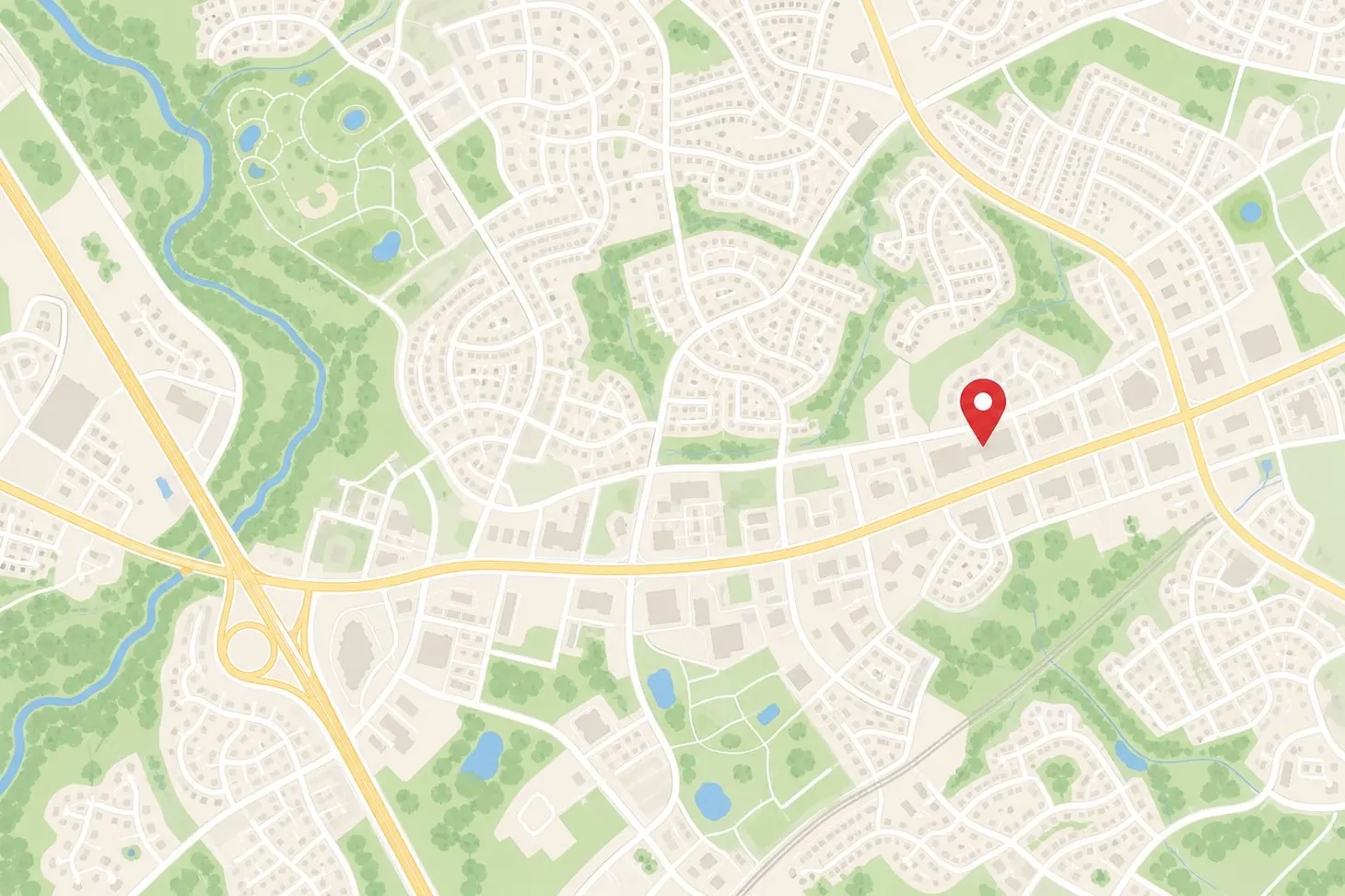
1530 Poinsett Hwy Greenville, SC 29609, USA
Hi! I'm Tooth fairy! Your AI Assistant Ask me anything