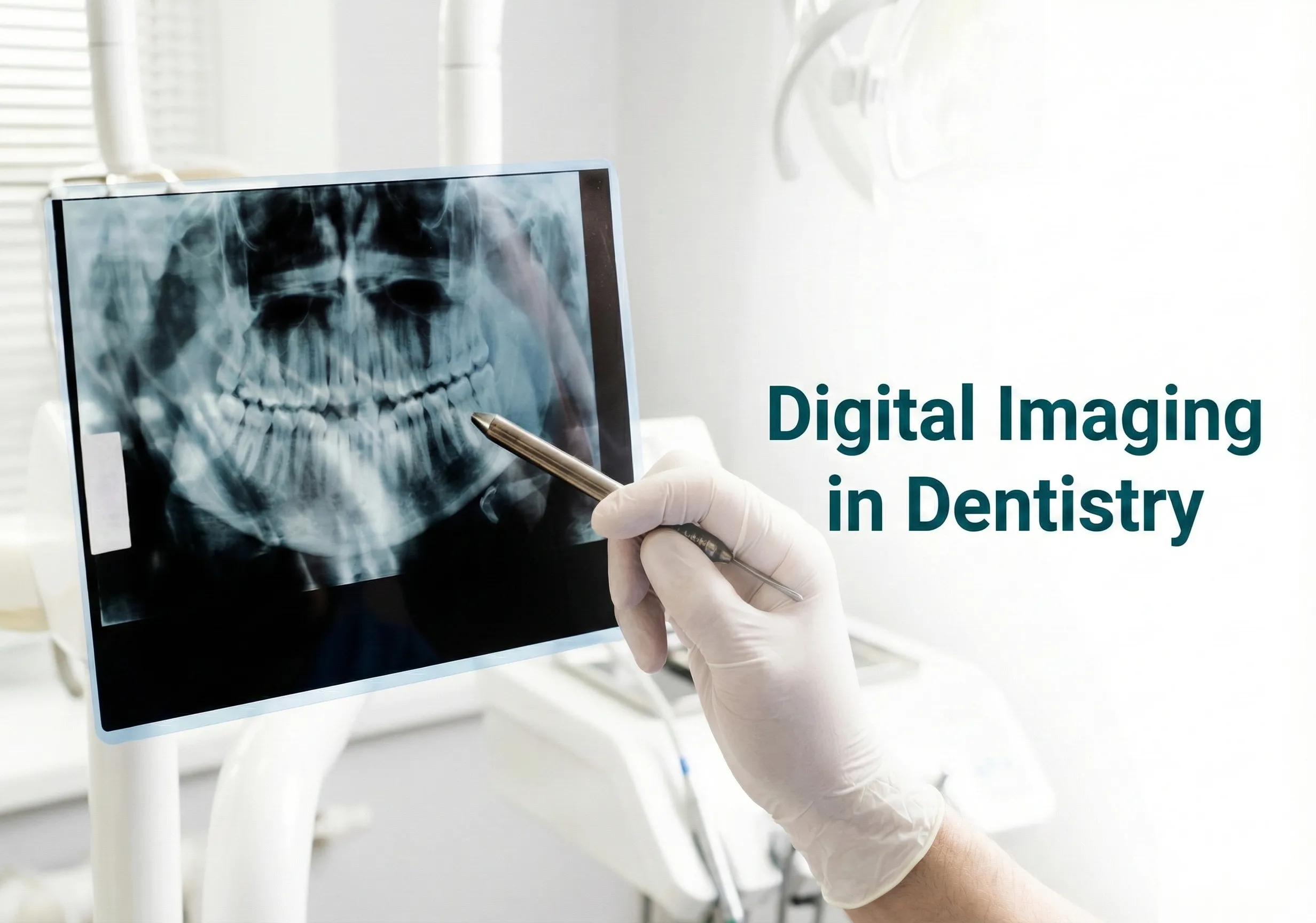
At Todays Dental Greenville, accurate diagnosis is the foundation of effective dental care. Digital imaging is a modern method of dental radiography that has transformed how dentists diagnose oral conditions.
By replacing traditional film-based X-rays, digital radiography allows faster, clearer, and more efficient imaging—benefiting both patients and clinicians.
Dental imaging uses X-rays to capture detailed images of teeth, bones, and surrounding structures.
Many dental conditions—such as cavities, periodontal disease, or bone loss—are difficult to detect through clinical examination alone. That is why routine dental exams often include digital X-rays.
Digital X-ray images allow dentists to identify these conditions early, saving time and improving treatment planning.
At Todays Dental Greenville, digital imaging helps us diagnose conditions accurately and explain treatment needs clearly to our patients.
X-rays were first discovered in 1895, and conventional film radiography was widely used for decades.
Since the mid-1980s, digital radiography has largely replaced traditional screen-film methods.
Digital imaging uses solid-state sensors to capture images, which are instantly displayed and stored on a computer.
This advancement has significantly improved diagnostic precision and workflow efficiency.
Clinical advantages include:
Digital imaging is also widely used in forensic dentistry for age estimation, dental identification, postmortem examinations, and legal documentation.
Intraoral radiographs are taken from inside the mouth and provide detailed views of teeth and supporting structures.
Common intraoral techniques include:
Extraoral radiographs are taken from outside the mouth and are especially useful when mouth opening is restricted due to trauma or pathology.
Common extraoral techniques include:
Digital radiography requires significantly less radiation exposure compared to traditional E-speed film.
One digital image can be adjusted for multiple diagnostic purposes—lighter images for bone evaluation and darker images for caries detection—without retaking X-rays.
This makes digital imaging both safe and efficient for patients.
At Todays Dental Greenville, we use digital imaging to ensure precise diagnosis, safer imaging practices, and transparent communication with our patients.
Advanced imaging allows us to detect problems early and tailor treatment plans effectively.
If you need an accurate dental diagnosis or want to understand your oral health better, schedule your appointment with Todays Dental Greenville today.
We’re here to help you make informed decisions about your dental health.
Digital imaging is a modern form of dental radiography that replaces traditional film with electronic sensors. X-rays capture detailed images of teeth, bone, and surrounding structures, and the image appears on screen within seconds. This makes the process faster and clearer, and lets the dentist enlarge and adjust images while explaining findings to you.
Digital radiography uses less radiation than older film-based systems while producing clearer images. Dental X-rays involve very small doses to begin with, and protective measures are standard practice. Dentists take them only when the diagnostic benefit justifies it, which is why imaging is tied to your examination findings rather than taken routinely without reason.
Many dental conditions, including cavities between teeth, periodontal disease, and bone loss, are difficult or impossible to detect by looking in the mouth alone. Routine dental exams often include digital X-rays so these problems can be found while they are still small. Early detection generally means simpler, less invasive treatment.
Traditional X-rays require film and chemical processing, which takes time and produces a fixed image. Digital sensors send the image straight to a computer, so it is available immediately and can be magnified, brightened, stored, and shared easily. The result is faster, more efficient imaging for both patients and clinicians.
Tell us a little about what you need — we'll be in touch shortly.
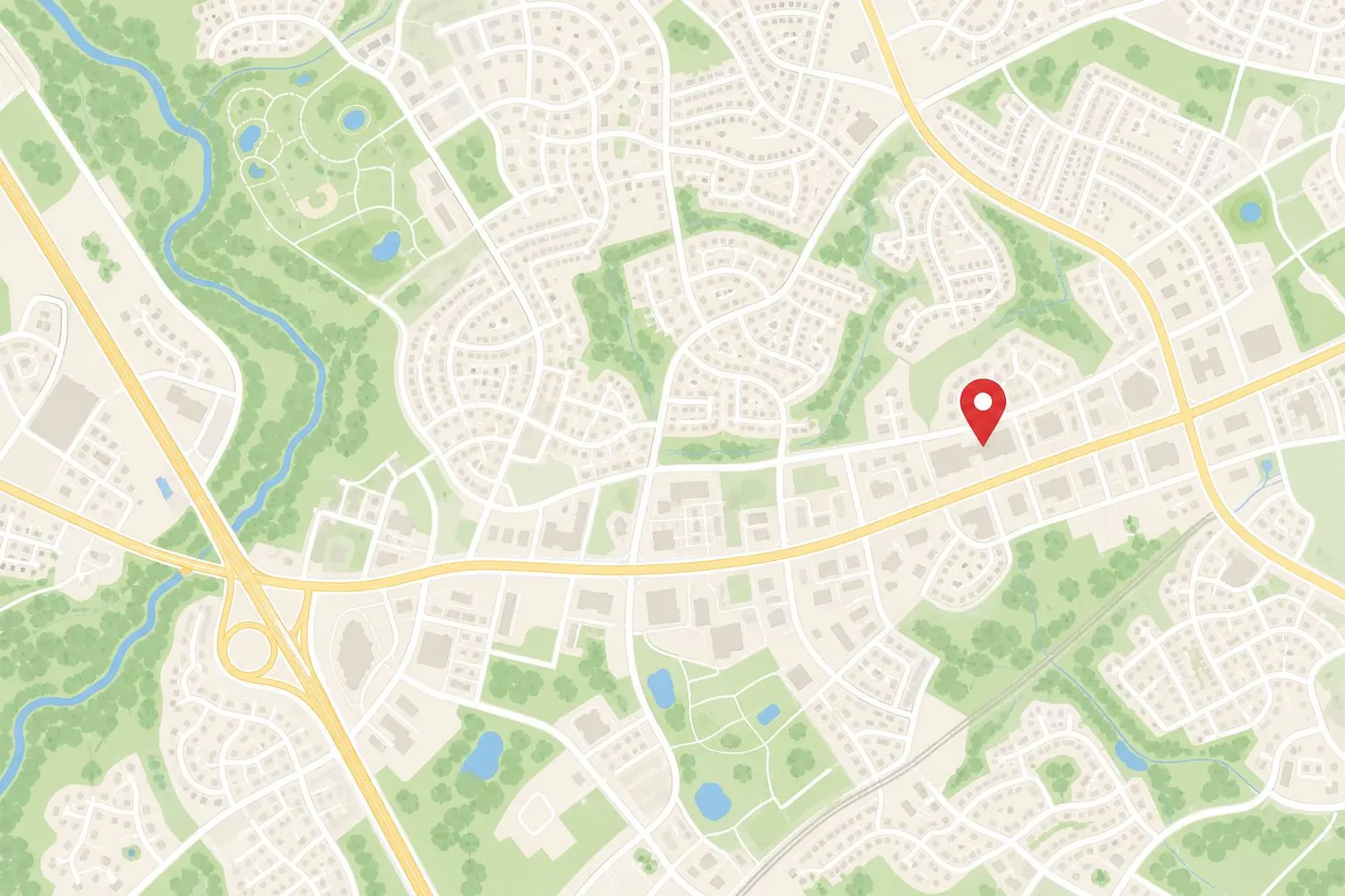
1530 Poinsett Hwy Greenville, SC 29609, USA
Hi! I'm Tooth fairy! Your AI Assistant Ask me anything