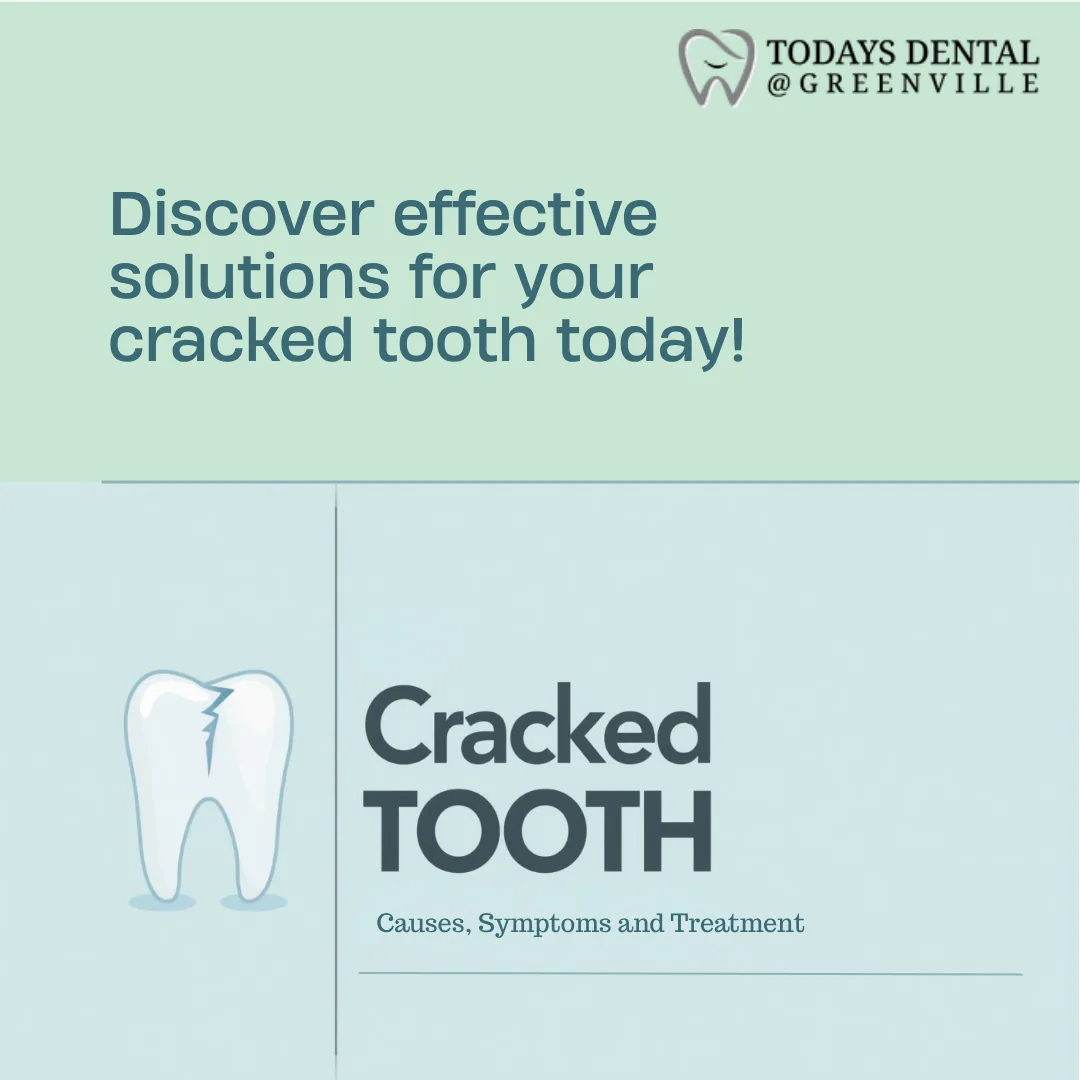
Many people wake with sharp tooth pain. They may worry about a cracked tooth or a fractured tooth. They may feel a sudden sensitivity to cold or sweets. They want clear answers and fast relief.
A cracked tooth can cause pain, infection, or an abscess if left untreated. Here you will know about signs, diagnosis, and treatment options like dental bonding, crown, root canal, or extraction. You will also find simple prevention tips, such as dental sealant and good care.
Understanding the common causes and risk factors for cracked teeth helps in prevention. Various factors contribute to dental fractures. Chewing hard foods, such as ice or candy, can put significant stress on teeth. Clenching or grinding teeth can also lead to cracks over time.
Certain conditions increase the likelihood of a fractured tooth. For instance, older adults often experience weakened enamel due to age, making them more vulnerable. Teeth that have undergone previous treatments may face higher risks for cracks too.
Poor oral health practices can allow infections that weaken the tooth structure further, leading to complications like abscesses and pain. Addressing these issues remains essential in maintaining overall dental health and avoiding painful symptoms associated with cracked teeth.
Moving from the common causes, it is essential to recognize the signs and symptoms of a cracked tooth. Tooth pain often arises when pressure is applied. This discomfort can change with biting or chewing.
Many experience increased sensitivity to hot or cold foods and drinks. Others report sharp pain that occurs spontaneously without an obvious trigger.
Patients may also notice swelling around the gums near the affected tooth. In some cases, an infection can develop, leading to more severe complications like an abscess. These symptoms clearly indicate a fractured tooth that requires immediate attention. Proper dental care at this stage can prevent further damage and promote effective treatment options like dental bonding or crowns.
Effective treatment for a cracked tooth depends on the severity of the fracture. For minor cracks, dental bonding works well to restore the tooth's shape and prevent further damage.
A dentist applies a resin material that matches natural teeth color; this solution is both quick and effective. More severe cases may require crowns or root canals to treat infection or provide additional support.
Preventive measures are essential in avoiding cracked teeth. Regular dental check-ups help identify risks early. Maintaining good oral hygiene also reduces sensitivity and pain, which can lead to fractures.
Using a dental sealant can protect teeth from wear and tear as well as lower the risk of infection. Avoiding hard foods and using mouthguards during sports can further safeguard against cracks and fractures.
A cracked tooth can come from chewing hard foods, a fall, or a blow to the mouth. Teeth with large fillings or decay can fracture more easily. Grinding teeth at night adds stress and can cause a fracture. Age and tooth pain can signal a worsening crack.
You may feel sudden tooth pain when you bite. You may also have a sharp sensitivity to hot or cold. Pain can come and go as the crack shifts. Signs can include swelling or an infection if the crack reaches the pulp.
Dentists list several treatment options. Small cracks may get dental bonding or a dental sealant to protect the tooth. Larger breaks may need a crown to restore strength. If the pulp is infected, a root canal or endodontics care can save the tooth. Restoration and other treatment methods aim to stop pain and restore use.
Yes, a deep crack can let bacteria reach the pulp and cause an infection. Left untreated, that infection can form an abscess. A root canal or other treatment is often needed to remove the infected tissue. Quick care lowers the risk of chronic pain and more dental work.
Use preventive measures, like avoiding hard foods and wearing a mouth guard for sports. Treat teeth grinding with a night guard. Ask your dentist about a dental sealant or bonding for weak teeth. Good dental hygiene and regular visits cut the risk of decay and pain.
Tell us a little about what you need — we'll be in touch shortly.
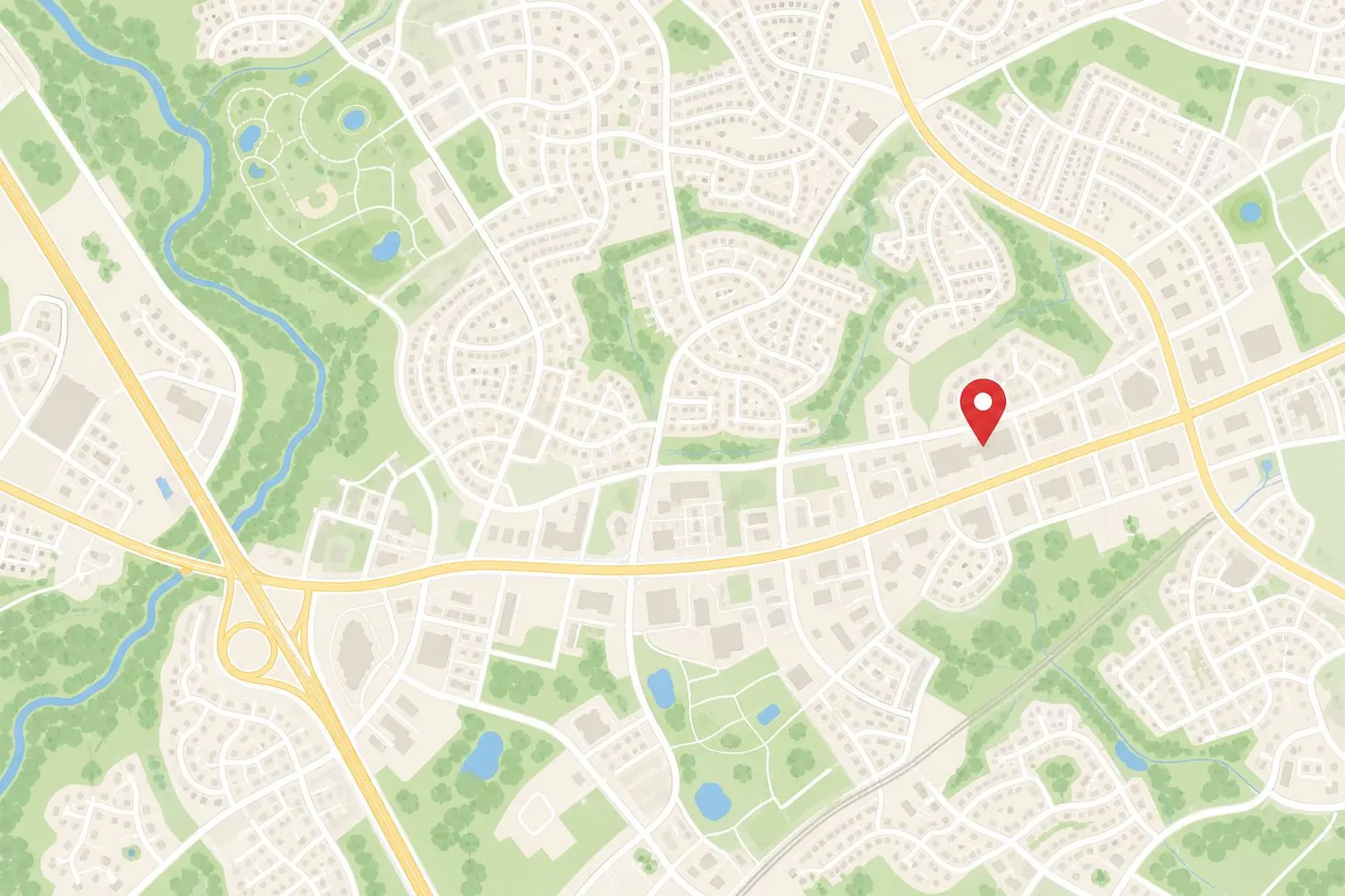
1530 Poinsett Hwy Greenville, SC 29609, USA
Hi! I'm Tooth fairy! Your AI Assistant Ask me anything